



Diagnosis of celiac disease in adults
Diagnosis
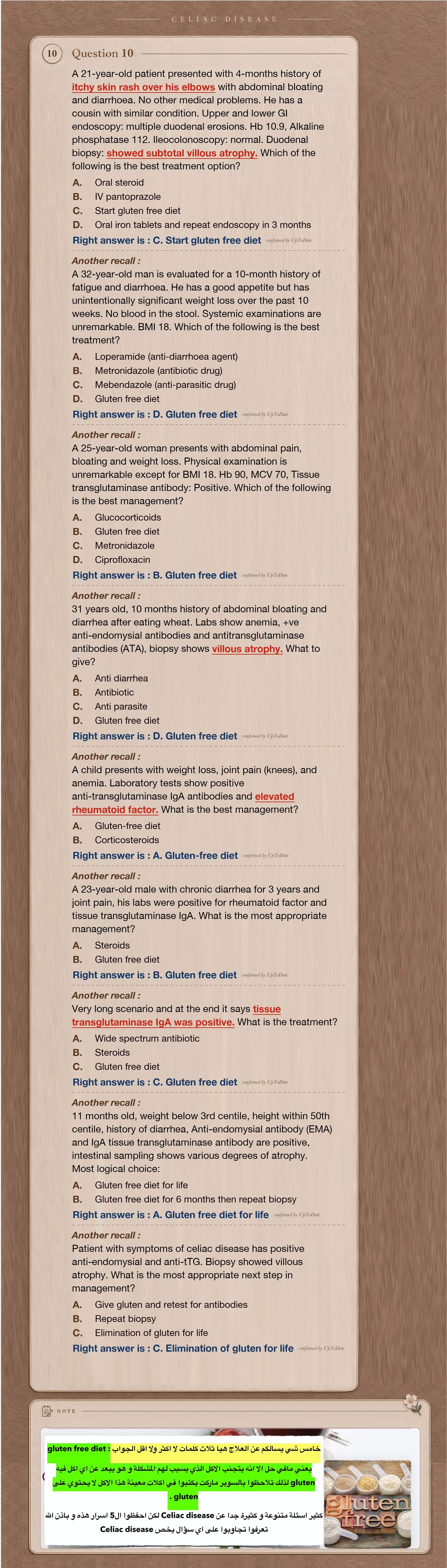
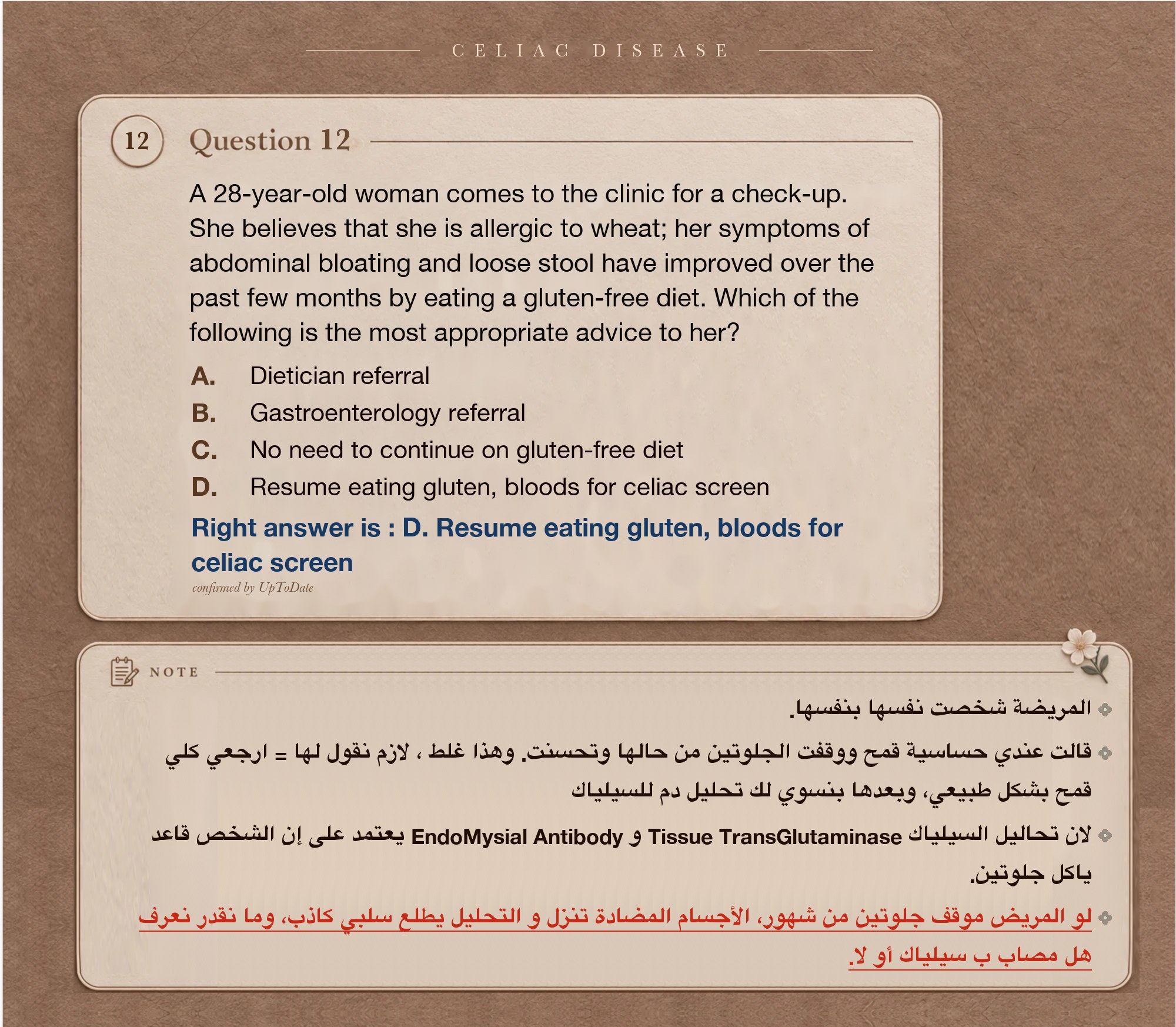
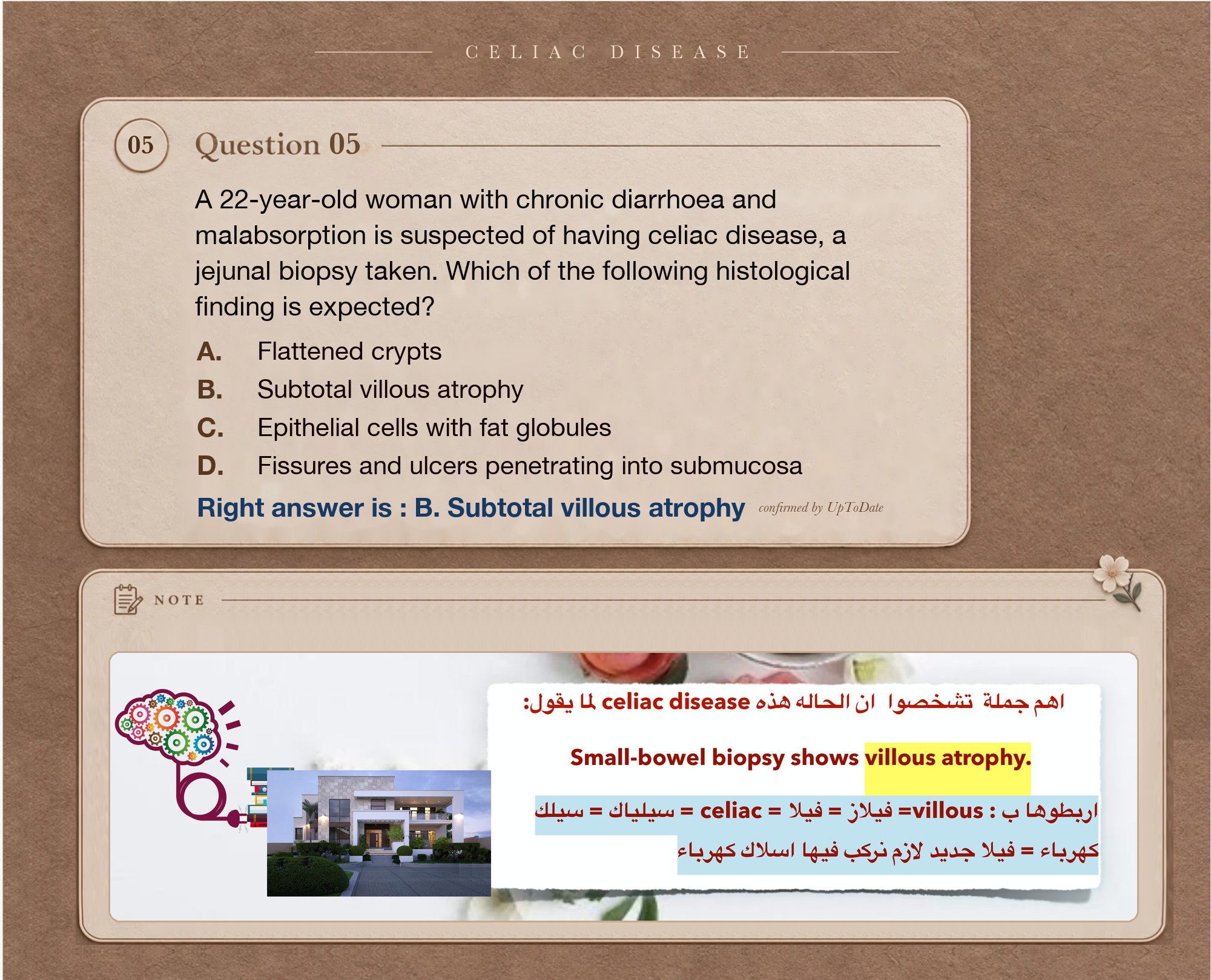
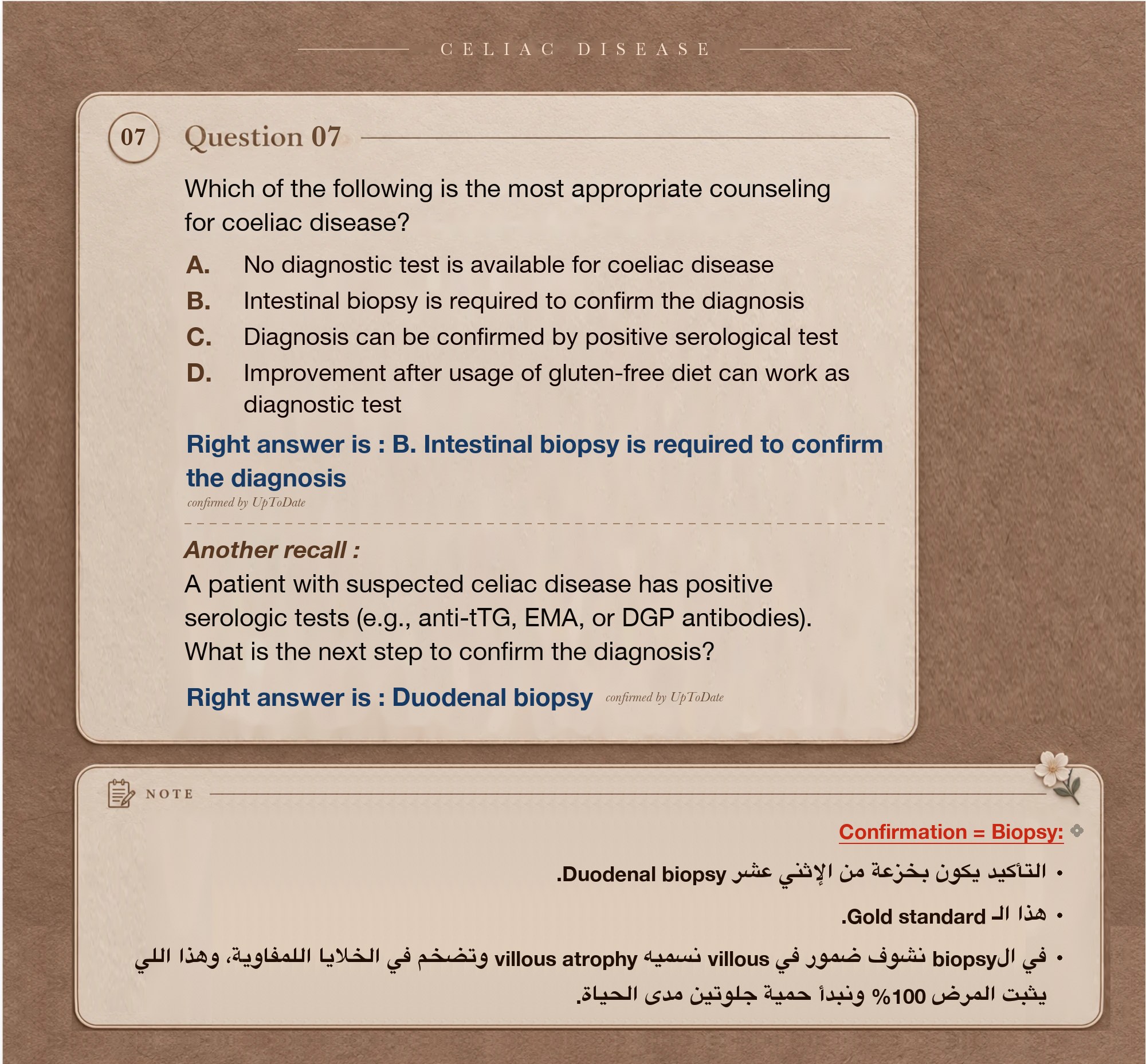
The diagnosis of celiac disease is established by the presence of increased intraepithelial lymphocytes with crypt hyperplasia (Marsh type 2) alone, or in conjunction with villous atrophy (Marsh type 3) on small bowel biopsy in a patient with positive celiac serology (figure 1 and algorithm 1). Demonstration of histologic normalization on a gluten-free diet is not required to establish the diagnosis of celiac disease in adults.
In patients with biopsy-proven dermatitis herpetiformis, the diagnosis can be established by serology without a small bowel biopsy. (See ‘Dermatitis herpetiformis’ below.)
Symptomatic adults who are unwilling or unable to undergo upper GI endoscopy but have a high-level tTG IgA (>10-fold elevation above the upper limit of normal) with a positive endomysial antibody (EMA) in a second blood sample can be diagnosed as likely celiac disease
Celiac disease in children and adolescents: Diagnosis
Members of high-risk groups
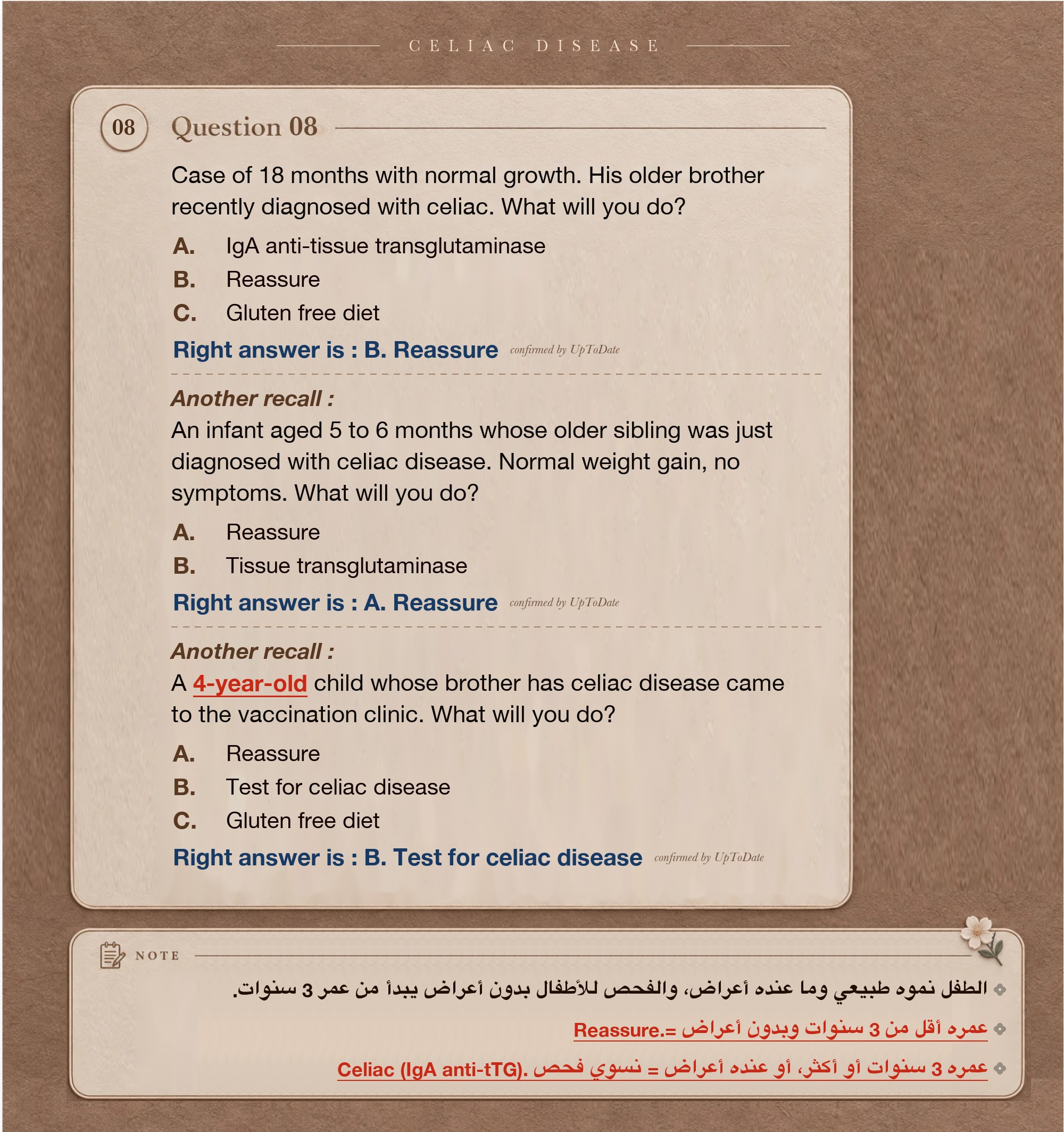
- Whom to screen – We suggest screening all members of the following high-risk groups (table 1), regardless of symptoms (see “Celiac disease in children and adolescents: Epidemiology, pathogenesis, and clinical manifestations”, section on ‘High-risk groups’):
- First-degree relatives of patients with celiac disease
- Autoimmune thyroiditis
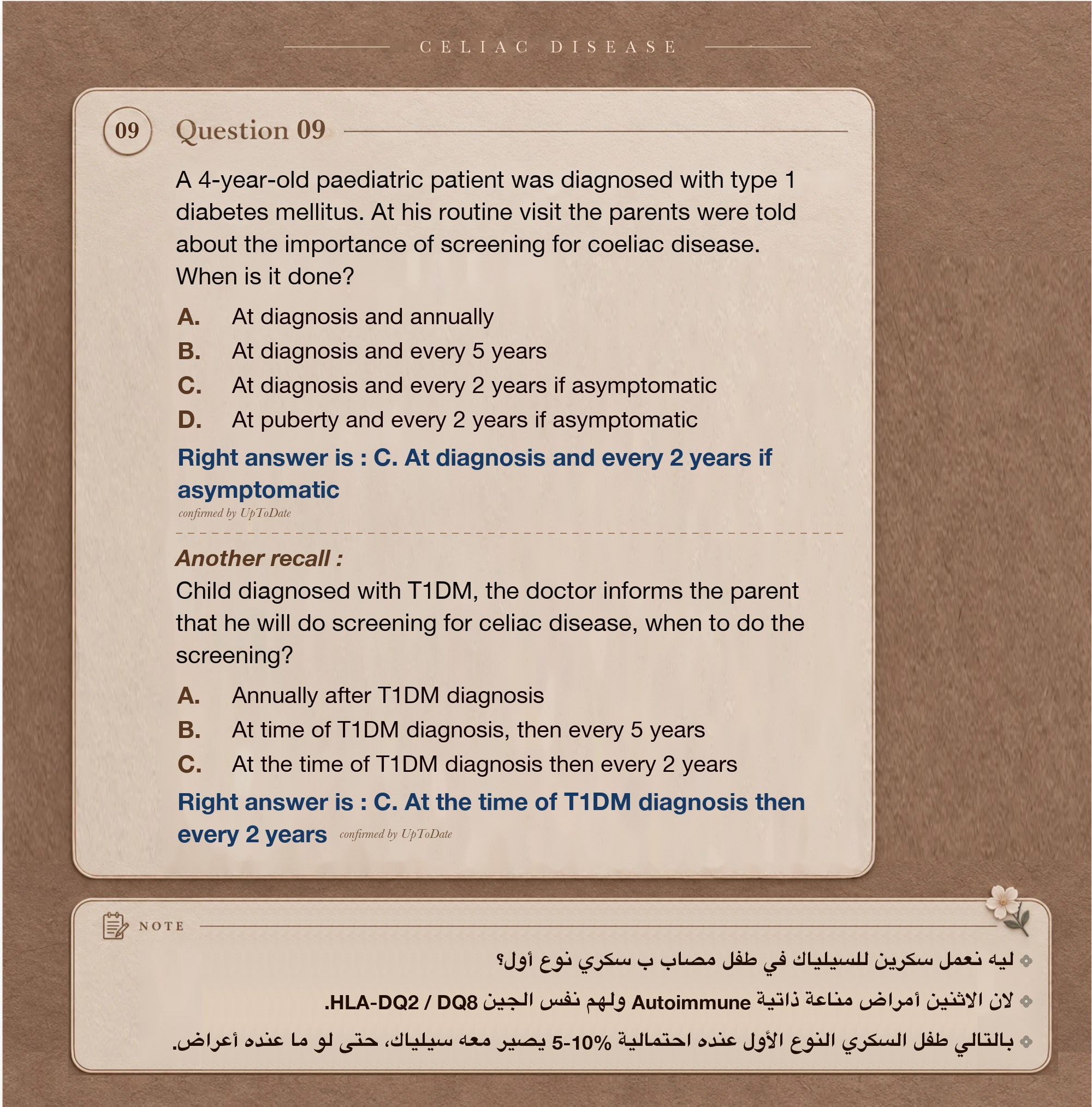
- Type 1 diabetes
- Autoimmune liver disease
- Down syndrome
- Selective IgA deficiency
- Turner syndrome
- Williams syndrome
- Juvenile idiopathic arthritis
This suggestion to screen asymptomatic individuals in these high-risk groups is consistent with several pediatric guidelines [1,2,6,10] but differs from guidelines used for adults in the United States, in which the recommendation is equivocal [5,7]. This difference in recommendations reflects a debate about the utility of screening for celiac disease among truly asymptomatic individuals belonging to a high-risk group because the benefit of treating such individuals has not been proven. Guidelines from the United Kingdom encourage testing for the first three of these high-risk groups and suggest consideration of testing for the other groups on this list, as well as for individuals with a variety of nonspecific symptoms [11]. For Down syndrome in particular, some authoritative guidelines suggest universal screening (eg, at age two or three years) [1,2,10], while others suggest symptom-based screening [5,12,13]. However, individuals with Down syndrome may have difficulty with self-reporting symptoms. Hence, if symptom-based screening is used, it is particularly important to perform a thorough history and have a high level of suspicion for symptoms that might suggest celiac disease. (See “Diagnosis of celiac disease in adults”, section on ‘Who should be tested’.)
- Method of screening – If screening is undertaken for asymptomatic individuals in these high-risk groups, testing should first be performed at three years of age or older and on a gluten-containing diet for at least one year. If initial results are negative, screening tests should be repeated at intervals or at any time that symptoms develop. The optimal time interval for subsequent testing has not been studied, but, in our practice, we screen asymptomatic members of these groups approximately every three years during childhood or up to annually if other bloodwork is being obtained, as well as when symptoms are concerning for celiac disease.
Uncertainties – The debate continues about the utility of screening asymptomatic individuals in these high-risk groups and in the general population, and recommendations may change as new information arises about the potential risks and benefits of screening.
- Arguments against mass screening are that the lifelong burden of a gluten-free diet may negatively affect quality of life. Also, any benefits are uncertain since there is very limited evidence that treatment reduces the risk of long-term complications or other clinically meaningful outcomes for truly asymptomatic individuals. Moreover, there is a concern that mass screening programs may prompt self-diagnosis and self-treatment without medical oversight.
- Arguments in favor of mass screening are that identifying apparently asymptomatic individuals may provide some benefits by improving subclinical signs and symptoms and preventing long-term complications [14,15]. Several studies suggest that having both celiac disease and type 1 diabetes is associated with a higher prevalence of microvascular complications and metabolic bone disease, suggesting that these two conditions may have additive complications [16-18]. (See “Type 1 diabetes mellitus in children and adolescents: Associated autoimmune diseases”.)
A few countries are developing programs for population-based screening, such as the nationally mandated program for screening for celiac disease and early-stage type 1 diabetes in Italy [19]. However, additional real-world evidence regarding acceptability, feasibility, and cost is needed before any type of widespread population-based screening can be broadly implemented. Until the balance of benefits and burdens of mass screening for this population is better understood, it is reasonable to make screening and treatment decisions on a case-by-case basis, based on a collaborative discussion of estimated risks, symptoms, and treatment burden.
Celiac disease
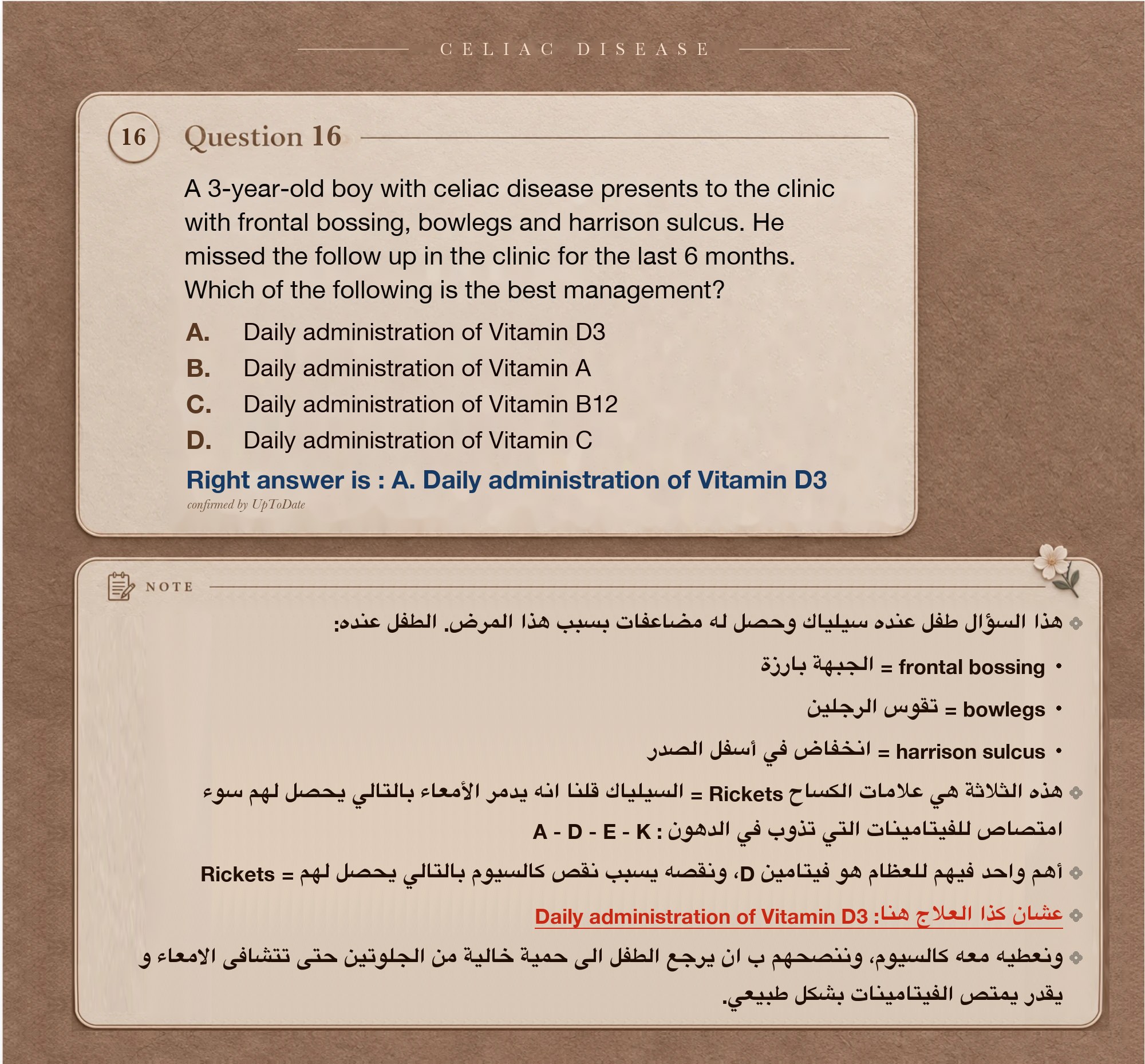
•Prevalence and clinical manifestations – Approximately 5 percent of patients with T1DM have celiac disease. These patients sometimes present with gastrointestinal symptoms but more commonly are asymptomatic or have episodes of hypoglycemia or poor growth. Untreated celiac disease is associated with gastrointestinal symptoms and growth delay in some patients, decreased bone mineral accrual, and other long-term health risks. (See ‘Epidemiology’ above and ‘Clinical manifestations’ above.)
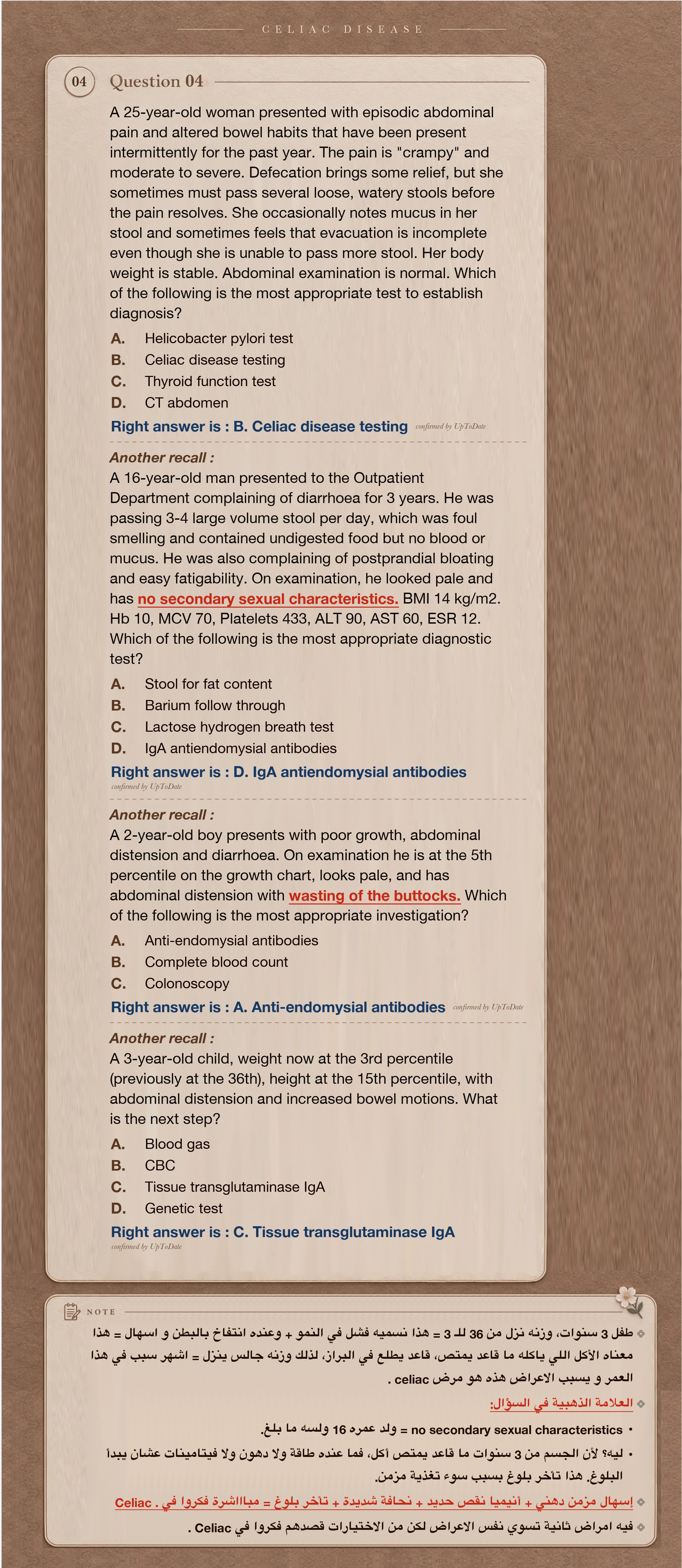
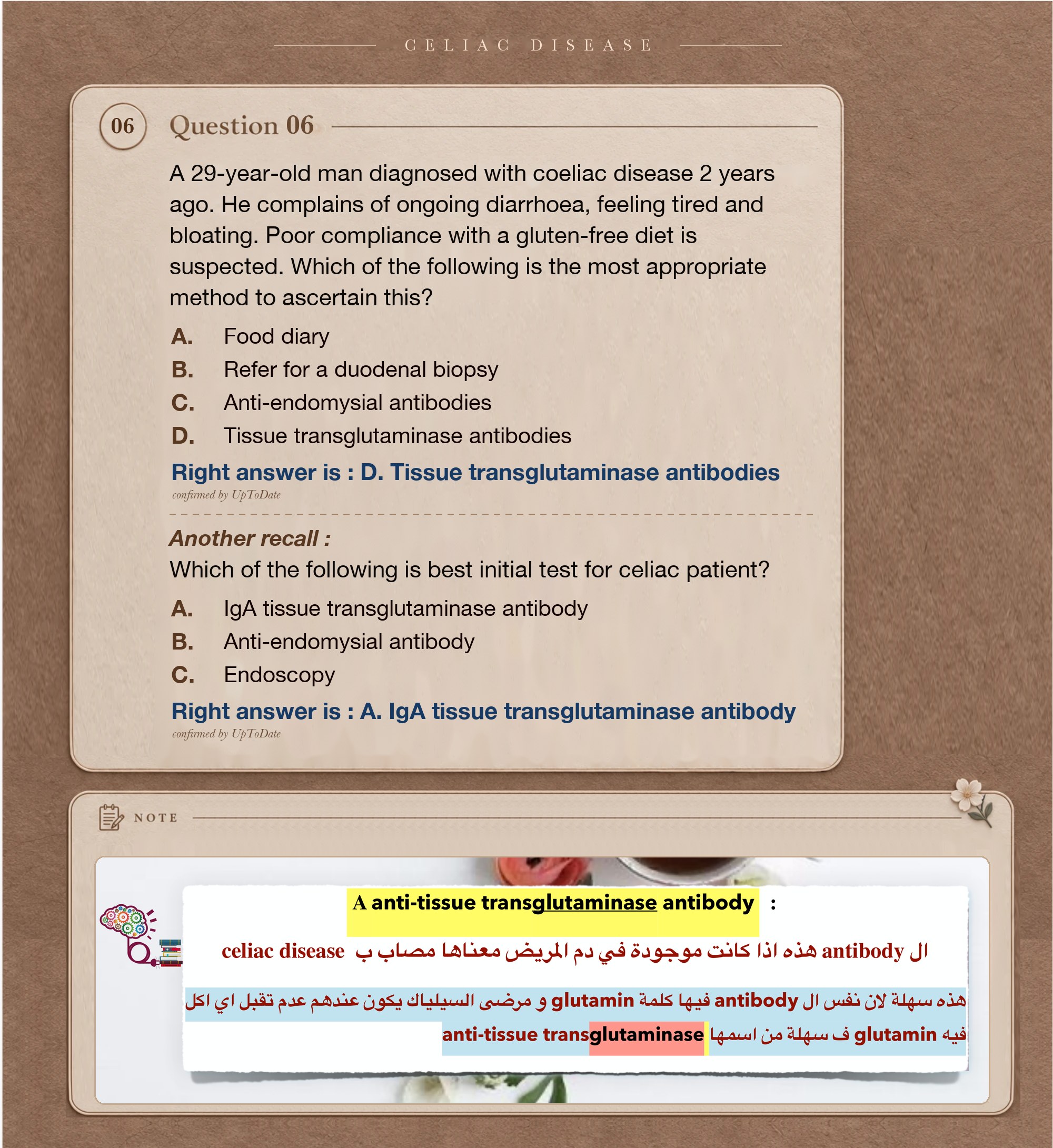
•Screening – Surveillance for celiac disease begins with routine measurement of tissue transglutaminase-immunoglobulin A antibodies (tTG-IgA) soon after the diagnosis of T1DM. Patients with positive results should be referred to a gastroenterologist for further evaluation, which usually includes a small bowel biopsy, as outlined in the algorithm (algorithm 2). (See ‘Celiac surveillance’ above.)
If the initial tTG-IgA test is negative, it should be repeated within two years after diagnosis of T1DM and again after five years or whenever the patient exhibits symptoms that suggest celiac disease (table 1). More frequent testing should be considered in those with a first-degree relative with celiac disease.
•Management – If the child has celiac disease, nutritional counseling should be provided by a registered dietitian who has experience in caring for patients with both diabetes and celiac disease. Patients require special guidance to ensure that their diet is optimized for both diseases as well as surveillance and prevention of disordered eating patterns.